


City Guide: San Francisco
In this guide, I share a deep-dive into two previous trips to San Francisco for Notion events, and all of the costs associated for flight and hotel, plus all of the things I did around the city.
5 Ice Breaker Questions to spark Conversation Without Asking “What do you do?”
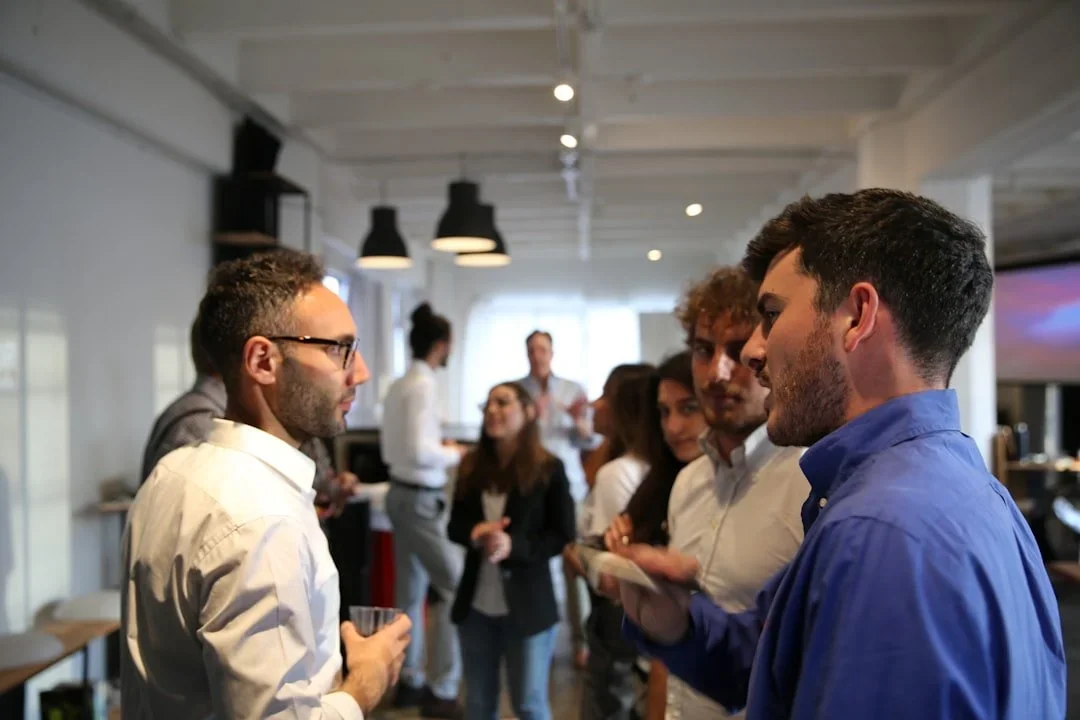
"What do you do?" is one of the most overused questions in any room and honestly, one of the least interesting. These five ice breaker questions will spark better conversations, skip the dreaded fun fact, and actually help people connect. Try one at your next event and watch the energy shift.
How to Handle Not Being Able to Attend an Event You Bought a Ticket To
Bought a ticket you can't use? Here's what to do — and why notifying the organizer early matters more than you think. Plus: the move most attendees don't know they can make when they have a VIP ticket and can't show up.
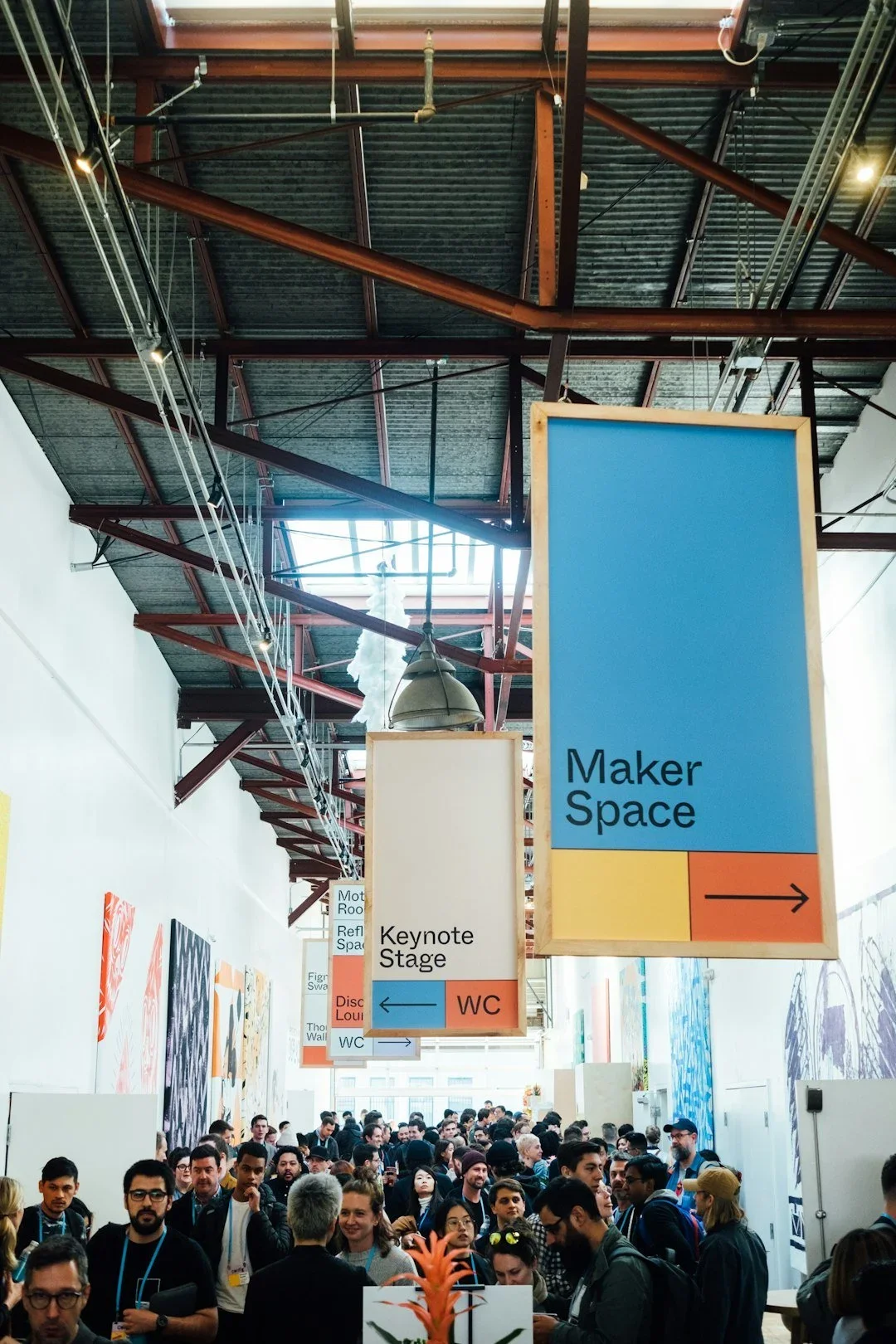
The Event Glossary: A guide to types of events and who they are best suited for
Not all events are created equal. This glossary breaks down 8 types of IRL events, from conferences to pop-ups — so you know exactly which format to host or attend based on your goals.
City Guide: Los Angeles
In this guide, I share a deep-dive into a previous trip to Los Angeles for the Create & Cultivate Festival, and all of the costs associated for flight and hotel, plus all of the things I did around the city.

The True Cost of Attending an Event: What Your Ticket Price Doesn't Tell You
That $500 conference ticket? The real cost is closer to $2,000. Discover what to look for before you register—from hidden meal costs to transportation surprises—and download our free Attendee Cost Calculator to budget accurately for flights, hotels, food, and extras.
Reinventing the Business Card
LinkedIn QR codes are polite, not strategic. They capture contact info but not context, and give you no system for follow-up. Discover how to reinvent the business card with HiHello, Zapier, and Notion to actually turn introductions into relationships, complete with the exact setup that makes networking work.
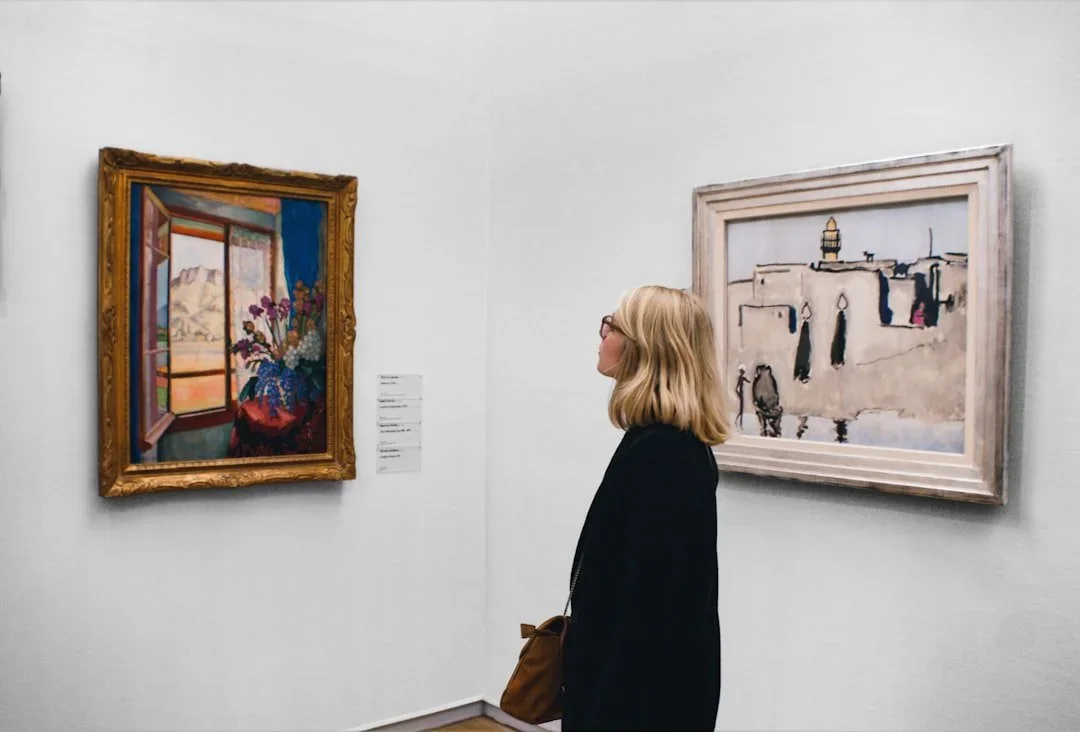
The Art of the Field Trip
Your best ideas don't happen at your desk…they happen when you break the pattern. Discover why quarterly field trips (museums, live events, hands-on workshops, new neighborhoods) aren't indulgences but infrastructure for staying creatively fed, and how to build a rhythm that keeps your work from feeling recycled.