
The Perfect Venue DOES Exist for your Event, if you just look past the local hotel ballroom
AUTHOR | Sara Loretta
PUBLISHED | May 2026
You've sat through the bad ones. Here's how to make sure yours isn't one of them.
You've been to the event. You know the one. You registered months out, you flew in and were genuinely excited… only to walk into a hotel ballroom with drop ceilings, fluorescent lighting, and a carpet pattern that looked like it was designed to hide 30 years of conference spills.
The content and the speakers might have been great, but the room itself worked against every single moment of it, leaving you left tired in a way that had nothing to do with the schedule.
So now you're planning to host own event, and know without a doubt that you don’t want your attendees to feel the way you have once or ten times before.
Here's what I've learned producing dozens of events across the country: venue selection isn't a logistics task. It's the most important brand decision to make for your entire event.
The venue IS the design budget
I'll say it plainly: a venue that already matches your brand means you spend less money on design.
A generic conference center needs florals, pipe and drape, custom signage, lighting rigs, and a whole mood board's worth of rentals just to stop looking like a generic conference center. You're essentially building a brand experience on top of someone else's blank walls.
But when you find a space that already speaks your language? The design work is half done. The texture, the light, the architectural details… they become part of your attendee's experience without you having to fabricate it from scratch.
A local brewery with exposed brick and Edison bulbs already has warmth. A historic library already has gravitas. A rooftop with city views already has energy. You're not fighting the space — you're collaborating with it.
The hidden gems your Google search won't find is because some of the best event venues in any city don't list themselves as event venues.
Local breweries. Working studios. Private club dining rooms. Historic bank vaults. Loft apartments. Rooftop gardens. Art galleries between shows. If you're only looking on venue-finding platforms, you're seeing a fraction of what's actually available, and you're competing with every other event that looked in the exact same place.
Finding a non-traditional venue requires a different kind of research. You have to look at the city differently. Think about what neighborhoods have the right energy. Walk into spaces that are interesting and simply ask if they've ever hosted a private event. More often than you'd expect, the answer is yes — or they're open to figuring it out.
This is one of the things I love most about micro-event production. Under 250 people means you can access spaces that simply aren't available to larger events. You're not competing with corporate off-sites and wedding receptions. You get to use the cool stuff.
What it actually looks like: Ops Ahoy
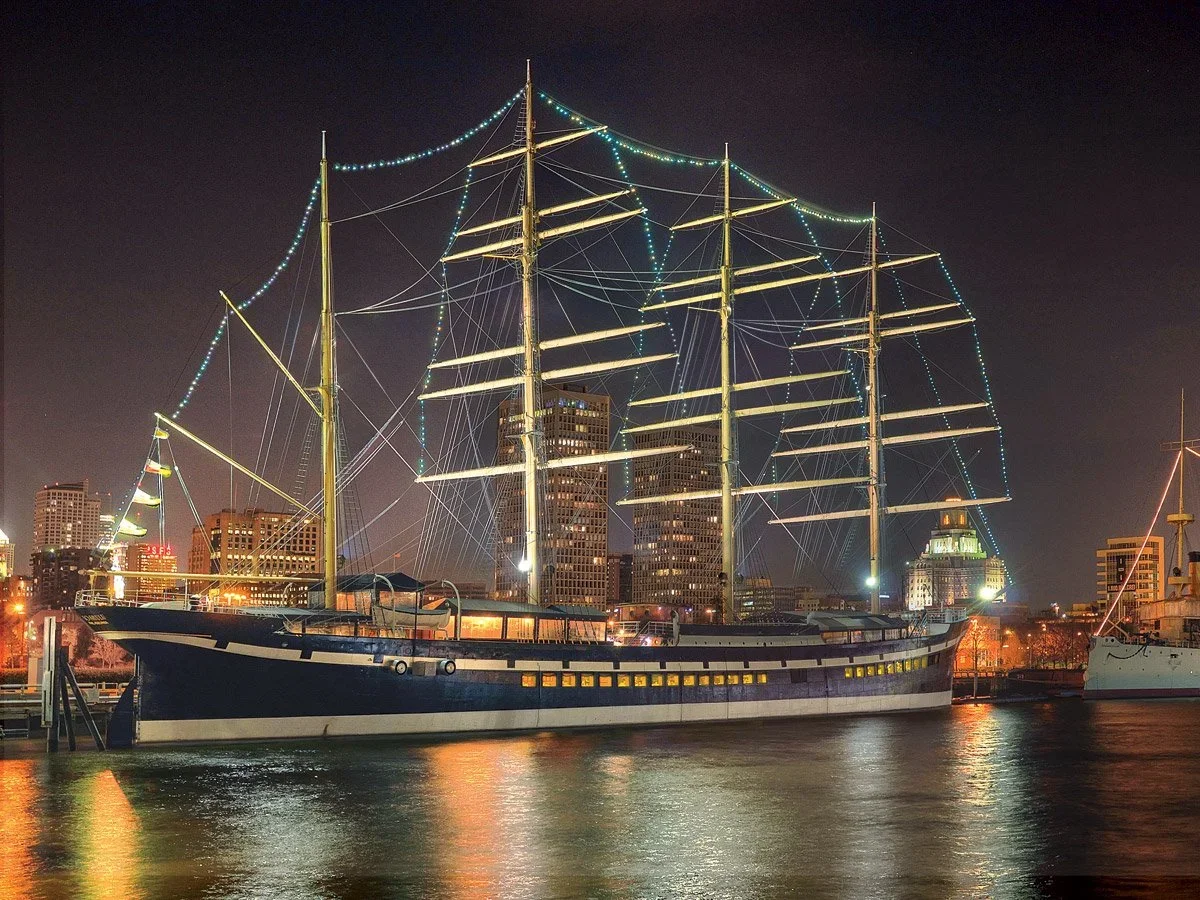
I'm currently producing Ops Ahoy, Layla Pomper's first-ever in-person event for her community. And the venue search for this one was a perfect example of how much work goes into finding the right space; and how worth it that work is.
I looked at 64 venues before finding the one we're using.
Sixty-four. Not because nothing was available, but because "available" isn't the bar. The bar is: does this space tell the same story as the event brand? Does it make an attendee feel something the moment they walk in? Does it do work that a budget line item can't?
I documented the whole process — the search, the criteria, the tradeoffs, and how we ultimately made the call recently in a video, check it out:
What to actually look for (and what to walk away from)
After looking at hundreds of venues across a range of events and cities, here's what I've learned separates a good venue from the right venue:
Natural light. This one is non-negotiable for day-long events. Attendees who've been inside a windowless room for six hours feel it and not in a good way.
Flexibility in the footprint. Can the room be rearranged? Are there breakout spaces? Does the flow make sense for the programming you're designing? A beautiful space that traps 80 people in theater-style rows for eight hours isn't serving your event.
Load-in and logistics. How early can vendors access the space? Is there a freight elevator? Where does catering set up? These unglamorous details determine whether your morning goes smoothly or becomes a fire drill.
Proximity to where your attendees are staying. A venue that requires a 25-minute rideshare from the hotel block adds friction. Friction kills attendance at optional sessions and evening events.
The vibe… does it costs you money or saves you money? This is the big one. Does the space already have character? Or are you building character from scratch?
This is why venue sourcing takes time.
I say this to every client at the start of production: don't underestimate the venue search. It's not a task you knock out in a week. It's research, site visits, contract negotiations, backup options, and sometimes starting over entirely when your first choice falls through.
But it's also where the event's identity gets locked in. Before you've written the first session description or designed the first badge, the venue is making a promise to your attendees about what kind of experience this is going to be.
Make it a promise you can keep.
Planning your first IRL event and want a second set of eyes on the venue search? Let's talk.
And if you want to stay in the loop on how Ops Ahoy comes together, subscribe to Holler our bi-weekly newsletter where we’re documenting all of the behind-the-scenes event production.
